MkvHub
153 Tamil films from 2005 to 2026: comedies, love stories, family dramas and festival favourites.




MkvHub: Tamil films in English, from Madrasapattinam, Remo, Oru Kal Oru Kannadi and Pannaiyarum Padminiyum to Kumki, Pasanga, Kaatrin Mozhi and Abhiyum Naanum
Tamil cinema is famous abroad for its biggest stars and its loudest spectacles, but anyone who lives with it knows that its real strength lies elsewhere: in the comedy about three friends and a road trip, the story of a landlord and his old car, the film about a father who talks too much about his daughter. MkvHub is a guide to that side of it. It gathers 153 Tamil films made between 2005 and 2026, each with its own page, its story in English, its year, its running time and a Watch now button that leads to the official services carrying it in your country.
The catalogue has been chosen by hand for family viewing. It favours comedies, love stories, family dramas, village stories and the quiet, admired films that win awards and travel to festivals. Action films, crime stories and horror films are covered by other guides.
The sections below are a tour in easy stages: how the site is laid out, the comedies and the comedians, the love stories, the family films, the festival favourites, the villages and the city, and a few plans for a first week. Each section links to a short help page, and the How to watch page sums up the simple steps from a card to the official service.
How MkvHub looks
MkvHub keeps the look of the site it is named after, a tidy blog of 2019. The page is a very pale grey. Across the top runs a white bar with the MkvHub name at the left, the second half of the name in coral, followed by a row of menu links in bold dark type: Home, Tamil Movies, Comedy, Love Stories, Family and A-Z. A search box sits at the right end of the bar.
Below the bar the page divides into a wide column and a side column. The wide column begins with a white box that carries the title of the site under a small coral tag, and continues with a grid of white cards, three to a row. Each card is a poster with the name and year of the film in bold beneath it, in the manner of a blog post. An Older Posts button leads to the full list, and a second box shows a row of festival favourites. The side column holds four white boxes, each topped by a coral bar: Popular Posts, with small posters and a line of each story; Categories, with a count beside each name; Archive, which lists the years; and Help.
The footer is white and arranged in three columns, each heading marked by a small coral square, above a dark strip with the year. The colours are those of the original, pale grey, white, dark grey lettering and a single warm coral, and the lettering is Open Sans. On a telephone the menu folds behind a button with three lines, the side column moves beneath the cards, and the cards stand two to a row.
Comedy
Comedy is the largest category on MkvHub, with 86 films, and the Comedy help page picks a handful. The Comedy category lists them all.
The director M. Rajesh set the pattern for the modern Tamil comedy: a cheerful idler, a girl who is too good for him, a best friend with all the best lines, and plenty of talk. Siva Manasula Sakthi, from 2009, with Jiiva and Anuya, is about two people who lie to each other about their jobs on a train and spend the film getting even. Oru Kal Oru Kannadi, from 2012, was the first film of Udhayanidhi Stalin as an actor; he plays Saravanan, who falls for Meera at a traffic signal and, on hearing that she is to be married, drives to Pondicherry with his friend Partha to stop the wedding. The friend is played by Santhanam, and the film belongs to him.
The spoof arrived in 2010 with Tamizh Padam, directed by C. S. Amudhan, whose title simply means Tamil film. Shiva plays a hero who does everything a Tamil hero does, grows up during a single song, defeats villains with a look, becomes a millionaire in one montage, and the film names its targets with affection. Tamizh Padam 2, from 2018, repeats the exercise for the police film. Shiva, with his flat, innocent delivery, is also the dubbing artist of Sonna Puriyathu, the hero of Thillu Mullu, a 2013 version of a much-loved comedy of 1981 about a man who invents a twin brother to keep his job, and the anxious father of Parandhu Po.
Friendship is the usual engine. Kanna Laddu Thinna Aasaiya, from 2013, has three friends who all fall for the girl who has moved in across the road and agree, unwisely, to compete fairly. Kedi Billa Killadi Ranga, from the same year, directed by Pandiraj, with Vimal and Sivakarthikeyan, follows two young men who live on their fathers' money and dream of a career in local politics, and it turns unexpectedly tender about fathers at the end. Nannbenda and Idhu Kathirvelan Kadhal pair Udhayanidhi Stalin with Nayanthara, and Theeya Velai Seiyyanum Kumaru, directed by Sundar C., sends a shy office worker, played by Siddharth, to a professional adviser on love.
Some comedies rest on a single good idea. In Remo, from 2016, a would-be actor, played by Sivakarthikeyan, disguises himself as a nurse to win a part and keeps the disguise to stay near the doctor he admires, played by Keerthy Suresh. In Monster, from 2019, a gentle man who follows a teaching of kindness to all living things buys his first flat and finds that a rat lives there already. In Naan Sirithal, a man laughs uncontrollably at exactly the wrong moments. In Enna Satham Indha Neram, four small sisters who share a hearing impairment wander off in a zoo on the day a python escapes. Koogle Kuttappa, from 2022, gives a stubborn old villager a robot for a helper, and Lucky Man, from 2023, with Yogi Babu, gives a man who has been unlucky all his life a car as a prize.
Politics is treated lightly but with a point. LKG, from 2019, written by and starring the radio presenter RJ Balaji, follows a ward councillor who plans his way to the top with the help of a marketing company. Tughlaq Durbar, from 2021, has Vijay Sethupathi as a scheming young politician who develops a second, honest personality. Naanga Romba Busy is set during the week in 2016 when banknotes were withdrawn overnight, and Naalu Policeum Nalla Irundha Oorum is about four policemen in a village so peaceful that their station is about to be closed.
The comedy stars
Tamil cinema has always given its comedians a special place, with scenes of their own and names above the title. The Comedy stars category holds 69 films, and the Comedy stars help page introduces the faces.
Santhanam appears in 18 films here, more than any other actor. He came from television sketch comedy, and through the 2010s he was the indispensable friend of every hero, quick, sarcastic and always ready with an insult. From the middle of the decade he became a leading man himself: in Inimey Ippadithan, as a man engaged to one woman and in love with another; in Dikkiloona, from 2021, as an electricity worker who borrows a time machine to cancel his own wedding; in Sabhaapathy, as a young man with a stammer who comes into possession of a suitcase of money; in Gulu Gulu, as a wanderer who helps whoever asks; and in Vadakkupatti Ramasamy, from 2024, set in the 1970s, as a man who makes a living from the beliefs of his village. Vaaliba Raja and Nambiyaar, in which he plays the hero's troublesome inner voice, are also his.
Vadivelu, the best-loved comedian of the generation before, is here in Kaavalan, from 2011, with Vijay and Asin, a gentle romantic comedy about a bodyguard and the student he protects, in Em Magan, and in Naai Sekar Returns, from 2022, which brought him back to the screen after a long absence as a small-time rogue in search of a lucky dog. His expressions are so widely shared as pictures on telephones that many young viewers know his face before they have seen a single film.
Yogi Babu, with eight films, is the comedian of the present moment, round-faced, deadpan and everywhere. Soori, a specialist in village comedy, partners Vimal in Desingu Raja and appears in Sarbath. Karunakaran, Sathish, VTV Ganesh, with his unmistakable gravel voice, and Thambi Ramaiah, who won a national award as the elephant keeper's uncle in Kumki and plays the lead in Vinodhaya Sitham, complete the company. Vivek, who died in 2021, plays himself in Brindavanam, which is described below.
Love stories
The Love stories category holds 79 films, and the Love stories help page suggests where to start.
Madrasapattinam, from 2010, directed by A. L. Vijay, is the grandest of them. An elderly Englishwoman travels to Chennai to return a keepsake, and the film goes back to 1947, the last months of British rule, when the city was called Madras. Amy, the daughter of the governor, meets Parithi, a young washerman and wrestler, during a dispute over the ground where his community works, and they fall in love across every barrier of the time. Arya plays Parithi, Amy Jackson made her first appearance as Amy, and the old city, its trams, its central station and its river, was rebuilt with great care. The songs by G. V. Prakash Kumar were hits.
The romances of the director Jeeva are lighter. Ullam Ketkumae, from 2005, brings five college friends together for a wedding some years after they parted and looks back at what each felt and left unsaid. Unnale Unnale, from 2007, set partly in Melbourne, follows a charming, careless young man and the two women who must decide what to make of him. Both have songs by Harris Jayaraj that are still played. Kanda Naal Mudhal, from 2005, directed by V. Priya, is about two people who have quarrelled at every meeting since childhood, and Kanden Kadhalai, from 2009, retells a famous Hindi romance about a silent, unhappy young man and a talkative girl on a train.
Kadhalil Sodhappuvadhu Yeppadi, from 2012, the first film of Balaji Mohan, grew out of a short film. Its title means how to mess up in love, and its hero, played by Siddharth, explains directly to the camera how he and Parvathi, played by Amala Paul, managed it. It is funny, modest and accurate about small quarrels. 180, from 2011, also with Siddharth, Chikku Bukku, with Arya, told partly on a train, Romeo Juliet, from 2015, in which an air hostess looking for a rich husband mistakes a gym trainer for one, and Inji Iduppazhagi, with Anushka Shetty as a cheerful young woman who is tired of being told to lose weight, are other popular choices.
Meyaadha Maan, from 2017, the first film of Rathna Kumar, is set in the crowded lanes of north Chennai, where a singer in a light music troupe has loved a college classmate for three years and has yet to tell her. Vaibhav and Priya Bhavani Shankar play the couple, and the friendship between the hero and his sister is as warmly drawn as the romance. Attakathi, from 2012, the first film of Pa. Ranjith, follows a boy from the suburbs who falls in love every other week and recovers on the bus home; its title means the cardboard knife. Mehandi Circus, from 2019, set in the hill town of Kodaikanal in the 1990s, is about the owner of a cassette shop and a girl from a travelling circus, and it is scored with the love songs of the period.
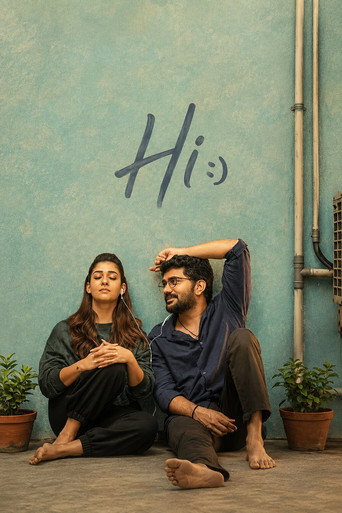
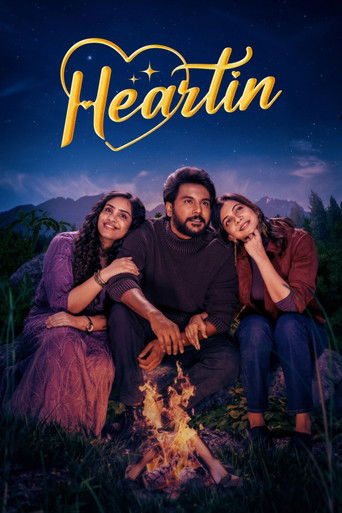
The newest romances are represented by Joe, from 2023, Pon Ondru Kanden, Theera Kaadhal, about two former sweethearts who meet again on a work trip, Enna Solla Pogirai, Kiss, from 2025, in which a musician can see how a couple's story will end, Heartin and Hi!, from 2026, with Kavin and Nayanthara, which begins with a single word of greeting. 100% Kaadhal, Yennamo Yedho, Nila, Igloo, Meendum Oru Kadhal Kadhai and Kayal, directed by Prabhu Solomon, about a traveller and a village girl, are further choices.
Family films
The Family category holds 61 films, and the Family films help page picks a few to begin with.
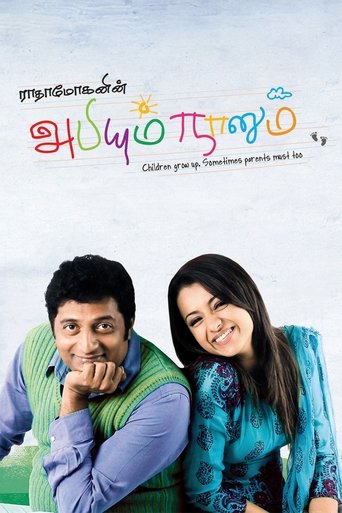
Fathers are the great subject. Abhiyum Naanum, from 2008, directed by Radha Mohan, is told by a father to a stranger on a park bench: how his daughter Abhi was born, how she went to school, how she brought home a beggar as a guest, and how she grew up and chose a husband before he was ready. Prakash Raj, who also produced the film, plays the father with great comic feeling, and Trisha plays Abhi. Thavamai Thavamiruntu, from 2005, directed by Cheran, follows a man who runs a small printing press in a country town and spends his whole life in the service of his two sons; Rajkiran plays him, and the film won a national award. Em Magan, from 2006, turns the strict father, played by Nassar, and the patient son into a comedy that ends in a reconciliation.
Veetla Vishesham, from 2022, with Urvashi and Sathyaraj, is about a grown-up son who learns that his middle-aged mother is expecting a baby, and the embarrassment, and then the pride, of the whole family. Dhoni, from 2012, directed by Prakash Raj, is about a father who wants his son to study and a son who wants only to play cricket. Parandhu Po, from 2025, directed by Ram, sends a father who is short of money and his demanding small son on a journey out of the city, and it was received as one of the happiest films of its year.
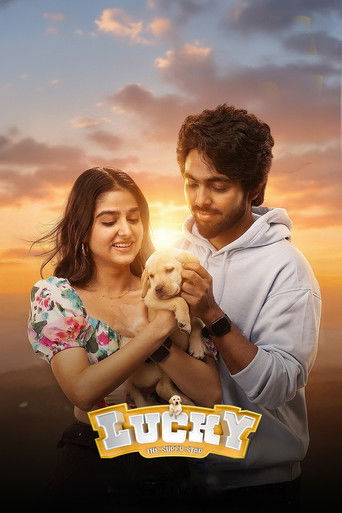
Children carry several films themselves. Pasanga, from 2009, the first film of Pandiraj, is set in a village school where a new boy, Anbu, who wants to be a district collector, becomes the rival of Jeeva, the son of a teacher. Their quarrel divides the class and spreads to their parents, and the film sees everything from the height of a ten-year-old. It won three national awards. Azhagu Kutti Chellam, from 2016, links several city stories through children; Lucky the Superstar, from 2026, follows a lost puppy who changes the life of everyone she meets; and Kanavu Variyam is about a young man who tries to solve the power cuts in his village with his own invention.
Grandparents have their films as well. K. D., from 2019, directed by Madhumita, is about Karuppu Durai, a man of eighty who leaves home when he overhears his family's plans for him, and Kutty, an eight-year-old orphan who helps him draw up a list of things still to do, beginning with a plate of biryani. Appatha, from 2023, directed by Priyadarshan, stars Urvashi, in her seven-hundredth film, as a village widow who is terrified of dogs and is left in charge of one. Nedunalvaadai is about a grandfather who raises his grandson, and Sethum Aayiram Pon about a young make-up artist and the grandmother she hardly knows.
Festival favourites
Every year a few Tamil films made on small budgets, often with unknown actors, win the national awards and travel to festivals abroad. The Festival favourites category holds 38 of them, and the Festival favourites help page arranges them.
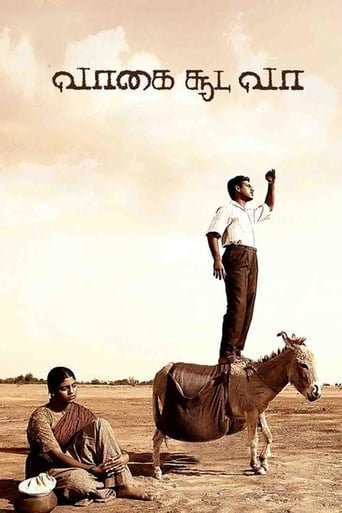
Kanchivaram, from 2008, directed by Priyadarshan, is set in the 1940s in Kanchipuram, the town whose silk saris are the most prized in southern India. Vengadam, a weaver who has spent his life making silk he is too poor to own, promises at his daughter's birth that she will be married in a silk sari, and the film follows what that promise costs him. It won the national award for the best film in India, and Prakash Raj won the award for best actor. Vaagai Sooda Vaa, from 2011, directed by A. Sarkunam, is set in 1966: a young man waiting for a government post takes a temporary job as a teacher in a remote settlement of brick makers, where the children have other work to do, and slowly discovers a vocation. It won the national award for the best Tamil film.
To Let, from 2019, the first film as director of the cameraman Chezhiyan, is as simple as its title. A young family in Chennai, a father who hopes to write for films, a mother and a small son, are given thirty days to leave their rented rooms, and they go from door to door in search of another. There is neither a song nor a villain, and it won the national award for the best Tamil film and prizes at many festivals. Sivaranjiniyum Innum Sila Pengalum, from 2021, directed by Vasanth from stories by three well-known writers, portrays three women in three decades, and it also won that award.
Poo, from 2008, directed by Sasi from a short story, follows Maari, a girl of the dry southern plains who works in a fireworks factory and has loved her cousin since childhood; Parvathy plays her with complete conviction. Cuckoo, from 2014, the first film of Raju Murugan, is a love story between two blind people who meet on the suburban trains of Chennai. Radiopetti, from 2015, is about an old man whose valve radio is the centre of his life, and it won an audience prize at Busan. Harkara, from 2023, follows a postman assigned to a hill village who wants a transfer and hears the story of a postal runner of long ago.
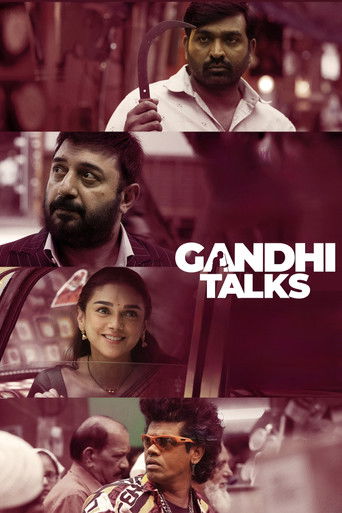
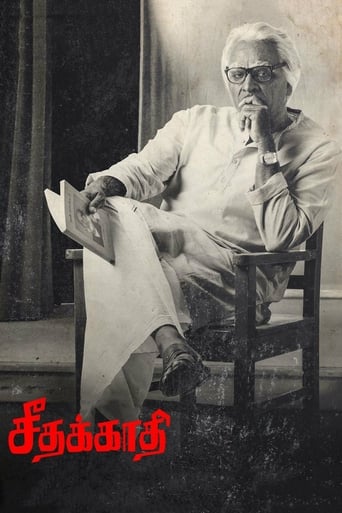
Films about performers form a group of their own. Seethakathi, from 2018, the twenty-fifth film of Vijay Sethupathi, is about an aged stage actor who has given his life to the theatre, and about what the film industry does with his art. Kaaviya Thalaivan, from 2014, directed by Vasanthabalan, with Siddharth and Prithviraj, is set among the travelling drama companies of the 1930s, with music by A. R. Rahman. Jama, from 2024, concerns a young performer of street theatre who plays women's parts and wants to lead his late father's troupe. Madras Matinee, from 2025, has an elderly writer of science fiction challenged to write about an ordinary rickshaw driver, and Gandhi Talks, from 2026, with Vijay Sethupathi, is a comedy told entirely in pictures and music.
Drama
The Drama category is the broadest, with 101 films, and the Drama help page divides it into artists and journeys. Many of the films already described belong to it; a few more deserve a mention.
Dharmadurai, from 2016, directed by Seenu Ramasamy, follows a village doctor, played by Vijay Sethupathi, who has lost his way and leaves home to look for the friends he studied with at medical college. Tamannaah and Aishwarya Rajesh play two of them, and the songs won a national award for their lyrics. The same director made Kanne Kalaimaane, from 2019, about an organic farmer and the bank manager posted to his village, and Maamanithan, from 2022, about a rickshaw driver who wants a better school for his children.
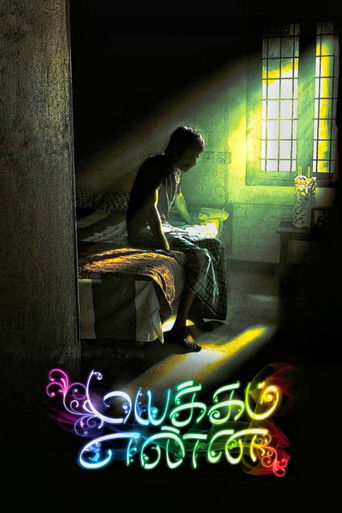
Mayakkam Enna, from 2011, directed by Selvaraghavan, stars Dhanush as a young man who wants to be a wildlife photographer and meets every kind of discouragement; it is a film about ambition, friendship and the wife who keeps faith with him. Ayothi, from 2023, begins with a family from the north of India on a pilgrimage to the southern tip of the country; when an accident leaves them stranded among strangers whose language is strange to them, two young men of the town take up their cause, and the film becomes a moving argument for ordinary kindness. Thalaivii, from 2021, tells the life of J. Jayalalithaa, the film star who became chief minister of Tamil Nadu.
Kaatrin Mozhi, from 2018, directed by Radha Mohan, stars Jyothika as Vijayalakshmi, a housewife with a gift for mimicry and a shelf of prizes from local competitions, who wins a contest on the radio and is offered a late-night programme of her own. Her success, and her family's mixed feelings about it, are handled with humour. The Great Indian Kitchen, from 2023, with Aishwarya Rajesh, follows a new bride through the endless work of her husband's household, and Raghu Thatha, from 2024, with Keerthy Suresh, is a comedy set in the 1960s about a spirited bank clerk and writer who will accept neither an imposed language nor an imposed husband.
Village stories
The Village stories category holds 27 films, and the Village stories help page maps them.
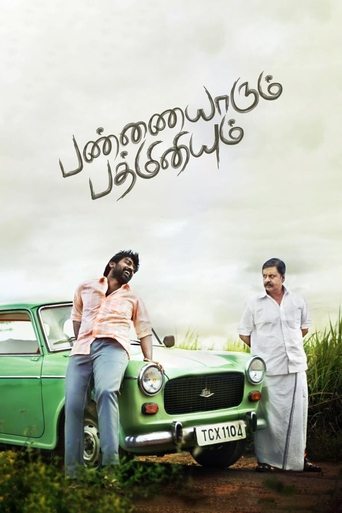
Pannaiyarum Padminiyum, from 2014, is the sweetest of them. A friend leaves his car, a Premier Padmini, the small family saloon of old India, in the care of a village landlord. The landlord falls in love with it, the whole village comes to depend on it, and the young driver, Murugesan, played by Vijay Sethupathi, grows so attached that he fears the day his employer learns to drive. Beneath the comedy lies the long, affectionate marriage of the landlord and his wife, whose one wish is to sit beside him in the car on their anniversary. The film grew from a short film by the same director, S. U. Arunkumar.
Kumki, from 2012, directed by Prabhu Solomon, is set in the hill forests. A village whose harvest is raided every year by a wild elephant sends for a kumki, a tame elephant trained to drive wild ones away. By a chain of accidents the elephant that arrives is Manickam, a gentle temple elephant, with his young keeper Bomman, who is unable to confess the mistake once he has seen the headman's daughter. It was the first film of Vikram Prabhu, grandson of the great actor Sivaji Ganesan, and its songs by D. Imman and its photography of the forest were widely praised.
Kalavani, from 2010, by A. Sarkunam, is a comedy of the rice country around Thanjavur, about a cheerful idler who decides at first sight to marry a schoolgirl from the rival village. Desingu Raja, Mannar Vagaiyara and MGR Magan are comedies of feuding families. Chandi Veeran concerns two villages that share one source of water, Bakrid, from 2019, follows a farmer who inherits a camel and sets out to take it home to the deserts of Rajasthan, Aelay, from 2021, directed by Halitha Shameem, brings a son back to the village of his father, a seller of ice lollies and an incurable teller of tales, and Bomb, from 2025, is a comedy about two halves of a divided village.
Weddings
The Weddings category holds 30 films, and the Weddings help page sorts them. A Tamil wedding is a family project that lasts months, and it gives the cinema an endless supply of comedy.
Kalyana Samayal Saadham, from 2013, whose title lists the dishes of a wedding feast, follows a software engineer and his fiancee through the months between engagement and marriage. Oru Naal Koothu, from 2016, tells three stories about the pressure to marry: a young man from a modest family and his wealthy girlfriend, a teacher's daughter for whom a groom is hard to find, and a radio presenter in a hurry. Love Marriage, from 2025, with Vikram Prabhu, is about a bachelor of thirty-three from Madurai whose relatives have taken charge of his search for a bride, and Dhanusu Raasi Neyargalae is about a young man who will marry only a girl with the right horoscope.
Thirumanam Enum Nikkah, from 2014, with Jai and Nazriya, begins on a train, where a Hindu boy and a Hindu girl each pretend, for separate reasons, to be Muslim, and fall in love with the pretence. Thirumanam, from 2019, directed by Cheran, is a plea for simple, affordable weddings. DeAr, from 2024, with G. V. Prakash Kumar and Aishwarya Rajesh, starts where the others end: a newly married husband who wakes at the slightest sound discovers that his wife snores. Coffee With Kadhal, from 2022, directed by Sundar C., gathers three brothers and their complications at a family wedding, and Romeo, from 2024, has a bridegroom trying to win the affection of the wife he has just married.
Youth and college
The Youth and college category holds 36 films, and the Youth and college help page describes them.
Chennai 600028, from 2007, the first film of Venkat Prabhu, takes its title from the postal code of a neighbourhood in the south of the city. It follows the Sharks, a street cricket team of young men who play with a tennis ball on a patch of open ground, and their rivalry with the Rockers from the other side of town. The cast were newcomers, the dialogue sounded like real conversation, and the film started a fashion for stories about groups of friends. Mudhal Nee Mudivum Nee, from 2022, directed by the musician Darbuka Siva, looks back at a class of schoolchildren in the Chennai of the 1990s, with its cassette tapes and first loves, and then meets them again as adults. Kaloori, from 2007, follows nine friends from a small town through an arts college, and Oru Kalluriyin Kathai is a story of a college reunion.
Sport belongs to the same years of life, and the Cricket and sport help page gathers the films. Jeeva, from 2014, directed by Suseenthiran, follows a talented young cricketer, played by Vishnu Vishal, from street matches to the selection trials. Blue Star, from 2024, set in a railway town in the 1990s, is about the captains of two rival local teams who learn to play on the same side. Clap, from 2022, is about a former sprinter who becomes the coach of a gifted girl from a village, and Englishkaran, from 2005, with Sathyaraj, about a man who trains a young athlete in memory of his wife.
City life
The City life category holds 32 films, and the City life help page introduces them. Chennai, the capital of Tamil Nadu and the home of its film industry, is the setting of most.
The media are a favourite subject. Kaatrin Mozhi is set in a radio station; Savaale Samaali follows two employees of a struggling television channel who try to invent a hit programme; Thiru Thiru Thuru Thuru, from 2009, directed by Nandhini, is a comedy about two colleagues at an advertising agency who must find, and then look after, a baby for a commercial; and Uppu Karuvadu, by Radha Mohan, is about a film director obliged to cast his producer's daughter. Brindavanam, from 2017, also by Radha Mohan, is set in the hill station of Ooty, where a barber who neither hears nor speaks, a devoted admirer of the comedian Vivek, meets his idol in person; Vivek plays himself with great modesty.
Work and money supply the other stories. Singapore Saloon, from 2024, follows a boy who decides in childhood that he will be a hairdresser and holds to it against all advice. Un Samayal Arayil, from 2014, directed by and starring Prakash Raj, with music by Ilaiyaraaja, is a romance between two people who love food, begun by a telephone call to a wrong number. Vinodhaya Sitham, from 2021, directed by Samuthirakani, gives a self-important manager ninety extra days of life in which to set his affairs in order, and Viyabari, Guru En Aalu and Aayiram Porkaasugal are comedies about ambition and luck.
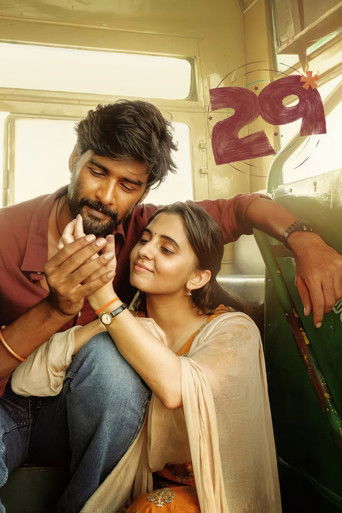
The city also has its quieter corners. Oru Kuppai Kathai, from 2018, is about a man who collects the city's rubbish and the bride who was told he worked in an office. Traffic Ramasamy portrays a real citizen of Chennai, an elderly man who spent his retirement taking public nuisances to court and directing traffic by hand. Azhagu Kutti Chellam and Inga Enna Solluthu follow ordinary people across a single eventful stretch of time, June R, with Jyothika, is about a young woman in advertising who adopts a mother, and Varalaru Mukkiyam, 29 and Sarbath are comedies of young men finding their feet. Seen together, these films make a fair portrait of a great Indian city at work, in its buses, flats, tea shops and offices.
Directors to follow
A good way through the catalogue is to follow a director. Radha Mohan, with four films, Abhiyum Naanum, Uppu Karuvadu, Brindavanam and Kaatrin Mozhi, makes gentle comedies about decent people, always with a part for a favourite character actor. Pandiraj made Pasanga, Kedi Billa Killadi Ranga and Idhu Namma Aalu, with Silambarasan and Nayanthara as an engaged couple who spend the whole film on the telephone. A. Sarkunam made Kalavani, Vaagai Sooda Vaa and Chandi Veeran, all set in the countryside he comes from, and Seenu Ramasamy made Dharmadurai, Kanne Kalaimaane and Maamanithan.
Rathna Kumar, who began with Meyaadha Maan, returns in 2026 with 29, about a young man on the edge of thirty. R. Kannan specialises in new Tamil versions of successes from other languages: Kanden Kadhalai, The Great Indian Kitchen and Kasethan Kadavulada, from a classic comedy of 1972. Anand Ravichandran made Sethum Aayiram Pon and DeAr, and Priyadarshan, better known for his work in Malayalam and Hindi, made Kanchivaram and Appatha fifteen years apart.
The composers deserve a line as well. G. V. Prakash Kumar wrote the music of Madrasapattinam and Mayakkam Enna and now acts, in 100% Kaadhal, Adiyae!, DeAr and Lucky the Superstar. Yuvan Shankar Raja scored Kanda Naal Mudhal, Chennai 600028 and Dharmadurai; D. Imman wrote the songs of Kumki and Desingu Raja; and Santhosh Narayanan began his career with Attakathi and Cuckoo.
Year by year
Four categories arrange the catalogue by date, and the Year by year help page describes them. The 2005 to 2009 category holds 23 films: Ullam Ketkumae, Thavamai Thavamiruntu, Em Magan, Chennai 600028, Unnale Unnale, Poo, Kanchivaram, Abhiyum Naanum, Pasanga and Siva Manasula Sakthi. These were the years in which a group of new directors turned away from formula and towards real places and real speech.
The 2010 to 2014 category holds 38: Madrasapattinam, Tamizh Padam, Kalavani, Vaagai Sooda Vaa, Mayakkam Enna, Oru Kal Oru Kannadi, Kumki, Attakathi, Pannaiyarum Padminiyum, Cuckoo, Jeeva and Kaaviya Thalaivan. Short films shown online became a training ground in this period, and several of the directors named here came up that way.
The 2015 to 2019 category holds 42: Romeo Juliet, Remo, Dharmadurai, Meyaadha Maan, Brindavanam, Kaatrin Mozhi, Seethakathi, Monster, LKG, K. D. and To Let. The The 2020s category is the largest, with 50, from Naan Sirithal and Aelay to Veetla Vishesham, Ayothi, Blue Star, Raghu Thatha, Parandhu Po and Hi!. Many of these reached their audience through streaming services as much as through cinemas.
The Top rated category gathers the 39 films rated 6.5 or more by at least five viewers around the world. The figures rest on small numbers of votes, so the Popular Posts box on the home page, ordered by the number of people who have rated each film, is a useful second guide.
A few words of Tamil
Titles become friendlier with a little vocabulary. Kadhal is love, as in Kadhalil Sodhappuvadhu Yeppadi, Theera Kaadhal, endless love, and Coffee With Kadhal. Padam is a film, as in Tamizh Padam. Oru means one or a, as in Oru Kal Oru Kannadi, a stone and a mirror, and Oru Naal Koothu, a one-day show, which is what a wedding is. Magan is a son, as in Em Magan, my son, and MGR Magan; pasanga are boys; and appatha is a grandmother on the father's side.
Poo is a flower. Kumki is a tame elephant trained to manage wild ones. Naan is I, as in Naan Sirithal, if I laugh; nee is you, as in Mudhal Nee Mudivum Nee, you are the beginning and you are the end. Kanne is a term of endearment, my dear, as in Kanne Kalaimaane, a line from a famous lullaby. Thirumanam is a wedding, kanavu is a dream, and Madras is the old name of Chennai, which lingers in Madrasapattinam and Madras Matinee.
Finding a film
There are several ways to find a film on MkvHub, and the Finding titles help page describes each one. The search box in the white bar accepts a title and shows matching films as you type. The A to Z page lists all 153 films in alphabetical order, the Tamil Movies page lists them by popularity, and the Categories box in the side column lists every category with its count.
Tamil titles are written in English letters in more than one way: kadhal and kaadhal, tamil and tamizh, are the same words. If a search finds too little, type a shorter part of the name, or a single unusual word such as Padminiyum. A few titles are short English words or numbers, 180, 29, Kiss, Joe, Clap, Bomb and Monster among them, and the year on each card will confirm that you have the Tamil film.
What a title page shows
Every film has a page of its own. At the top are the poster, the title, the original Tamil title, the year, the running time and the rating from viewers around the world. Below come the story in English, the genres, the director and the leading actors, and a row of related films from the same categories. The Watch now button opens a list of the official services that carry the film in your country.
Tamil films are among the best served of all Indian cinema. The large international services compete for new releases, two Indian services specialise in the language, and the television networks of Tamil Nadu have applications of their own with deep libraries. Outside India, the list of regions includes Singapore, Malaysia and Sri Lanka, where Tamil is widely spoken, as well as Britain, Canada and the Gulf. English subtitles are usual for films of the past ten years. Availability changes from month to month, so the list on each title page is the place to look.
The Add to My List button on a title page keeps a film for later. The list is held on your own device by the browser, needs neither an account nor an email address, and is linked from the footer of every page and from the menu on a telephone. The My List help page explains how to drop a film from it and how to transfer it to a second device.
A first week
For a newcomer to Tamil cinema, here are seven evenings. On the first, watch Pannaiyarum Padminiyum, and meet the landlord and his car. On the second, laugh with Oru Kal Oru Kannadi. On the third, travel to 1947 with Madrasapattinam. On the fourth, sit on the park bench of Abhiyum Naanum. On the fifth, go to the forest with Kumki. On the sixth, share Pasanga with the children, and on the seventh, tune in to Kaatrin Mozhi.
A second week might hold Kanchivaram, Tamizh Padam, Chennai 600028, K. D., Kadhalil Sodhappuvadhu Yeppadi, Vaagai Sooda Vaa and Meyaadha Maan. For an evening of pure nonsense, try Kanna Laddu Thinna Aasaiya or Naai Sekar Returns; for something quiet, To Let or Radiopetti; and for the newest work, Parandhu Po, Madras Matinee and Hi!.
Viewers who know Tamil cinema only through its biggest stars may be surprised by how small and personal many of these films are. That is the point of the selection. The films here cost little, depend on writing and acting, and stay in the memory; and several of the actors who are now famous across India, Vijay Sethupathi, Sivakarthikeyan, Aishwarya Rajesh and Keerthy Suresh among them, can be seen in them at the start of their careers.
How the catalogue is kept
Films are added to MkvHub one by one, by people. Before a film is listed, its story, its certificate and its reviews are read, and titles too violent or too adult for mixed company go to other guides. Each summary is kept short and plain, each year and running time is checked against the public film databases, and each poster is the official one. The cards on the home page, the Popular Posts box and the category counts are redrawn with every refresh of the catalogue.
MkvHub is a guide. It carries neither films nor downloads; the Watch now button opens an official, licensed service, so the people who made the film are paid when you watch.
Questions and answers
Questions
What is MkvHub?
MkvHub is an English guide to 153 Tamil films made between 2005 and 2026. Each film has a page with its story, year, running time, director and cast, and a Watch now button that leads to the official services carrying it in your country.
Which films should I watch first?
Start with Pannaiyarum Padminiyum, Oru Kal Oru Kannadi, Madrasapattinam, Abhiyum Naanum, Kumki and Pasanga. The first-week plan in the guide suggests many more.
Is the catalogue suitable for families?
Yes. Every film is chosen by hand for a family audience, with an emphasis on comedies, love stories, family dramas and award winners.
Who are the comedy stars?
Santhanam appears in 18 films in the catalogue, and Vadivelu, Yogi Babu, Soori, Shiva and Vivek are all represented. The Comedy stars category gathers their films.
Are the films subtitled in English?
Tamil films of the past ten years usually have English subtitles on official services. The services listed on each title page show the languages they provide.
Which films won national awards?
Kanchivaram, Vaagai Sooda Vaa, To Let, Pasanga and Thavamai Thavamiruntu are among them. The Festival favourites category holds 38 admired films.
How does My List work?
Press Add to My List on the page of any film. The list is kept by your own browser, free of charge, and the footer of every page links to it.
Does MkvHub host films or downloads?
MkvHub is a guide only. Every Watch now button leads to an official, licensed service.
